
Background
where such loss or damage is due to an event with a minimum return period of 20 years for the location insured on the basis of the 24 hour statistics prepared by the Bureau of Meteorology for the nearest station to the location insured, or such other independently operated weather station situation near or adjacent to the location insured.

What did the insured construction site look like?
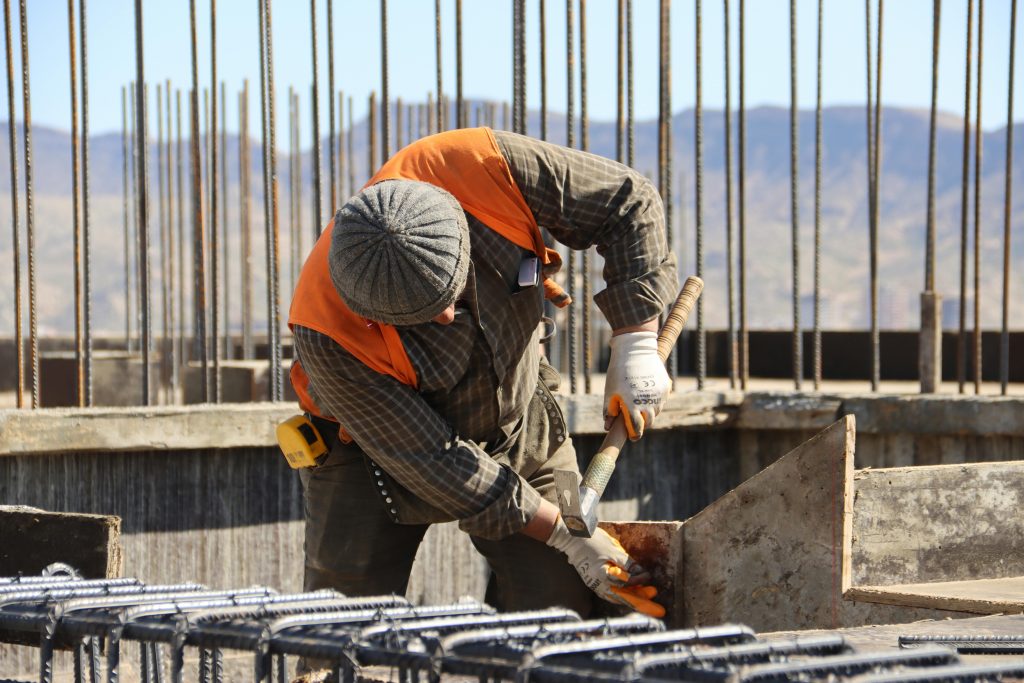
The policy contained definitions for “Project Site”. One of these definitions covered areas where the Insured is performing the works or has property stored or being processed together with all surrounding areas in connection with the Project. Another definition was contained in the Schedule of the policy and was to include work comprising Design and Construction of the upgrade of the existing highway to a four lane divided carriageway. The Schedule also included new bridges over certain parts of the belt as well as floodplain bridges and culverts. Definitions of further terms, such as “Project”, were left by the policy to be defined in the various contracts between the parties.
Cover for damaged works come rain or shine?
In June 2016 heavy rainfall lashed northern New South Wales causing a series of floods. The damage to the works was significant and Acciona made a claim under the policy.
The ability to receive cover was clearly going to be made difficult by the fact rain had caused the damage. However, the intensity of the rain was such that it may have been able to fit under the exemption for unusually heavy rainfall. A weather station along the stretch of the works had recorded the level as being a 1-in-20-year event, the very condition which would be exempt under the policy.
The difficulty for Acciona was that the long stretch of road contained another two weather stations, with each of the three recording a different volume of rain fall. In that event, the question was asked whether each cluster of damage had been caused by rainfall dumped at a regular amount, or that which was abnormally substantial.
To establish the applicability of the exclusion clause, the Court had to establish which part of the project site was covered by the extreme weather exemption. Central to this determination was how the term location insured could be read. Did the entire belt constitute one location? Or was the location the specific section which had suffered the damage? Acciona believed that if the exemption applied in one section of the project site then all damage would be covered, regardless of its proximity to the covered rainfall. Zurich argued that it simply referred to the location where the extreme rain had fallen.

Full Federal Court Decision: the Court knows it rained, but did it pour?
The working out in a coherent and congruent fashion of the operation of a market specific insurance policy requires a businesslike interpretation to bring about a commercial result based on what a reasonable business person would have understood the policy to mean.In assessing what the term location insured referred to, the Court followed the approach centring on logic and business efficacy. The Court looked at what made sense in the context of the policy, and believed it difficult to see the logic in assessing the intensity of an event in one area by reference to the same event at another. Instead, logic would dictate that the level of rainfall should be assessed by the weather stations proximate to the damage, not elsewhere. An approach which tried to understand the term using business efficacy found a similar outcome. It could not produce businesslike practicality if the policy was read in a way which obfuscated the nature of the event which caused the damage. In this case, it could be readily seen that only a portion of the damage along the project site had been caused by an event covered in the exemption to the exclusion clause. How could it make sense then to say that this event could apply to all the damaged locations? Finding that Acciona’s reading of the exclusion clause was illogical, the Court found in favour of Zurich.

Conclusion
In centring on business efficacy and logic, the Court has helped implement a commonsense understanding of the policy’s wording. Doing so provides another recent example of the federal courts in Australia applying a practical approach to interpretation of insurance matters.[3] Agreements now seem to be interpreted in ways that stress the business context under which they operate. The effect may soon be that exclusion clauses cannot be read in deliberately obtuse ways. Because, where language can cause confusion, common sense cuts right through.
References
[1] Acciona Infrastructure Australia Pty Ltd v Zurich Australian Insurance Limited [2023] FCAFC 47.
[2] Liberty Mutual Insurance Company Australian Branch trading as Liberty Specialty Markets v Icon Co (NSW) Pty Ltd [2021] FCAFC 126 at [152].
[3] Star Entertainment Group Limited v Chubb Insurance Australia Ltd [2021] FCA 907; Outback Music Festival Group Pty Ltd (formerly known as Big Run Events Pty Ltd) v Everest Syndicate 2786 at Lloyd’s [2022] FCA 13.